
Home Service Case Study: HVAC and Plumbing Company Gets 74% Fewer Missed Calls and Books More Jobs
A busy HVAC and plumbing company struggled with high call volumes that led to missed opportunities and operational delays. By implementing AI Answering, they automated job intake, scheduling, and emergency routing, ensuring every call was captured and staff could focus on dispatch.
Results
74% Fewer Missed Service Calls
Calls are now answered 24/7 instead of going to voicemail when office staff are on other calls, when technicians are in the field, or when customers call after hours. No service inquiry goes unanswered regardless of time of day or call volume.
36% More Jobs Booked
Service requests are converted to booked jobs during the call itself using real-time technician availability and scheduling rules. Customers who previously would have called a competitor after reaching voicemail are now booked before hanging up.
92% Faster Emergency Call Routing
Urgent calls involving no heat, active water leaks, and electrical hazards are flagged immediately and routed to the on-call technician or dispatch contact with the job details already captured. Emergency callers no longer wait for a next-day callback.
22 Hours Office Hours Saved Per Week
Fewer manual callbacks, fewer repetitive intake questions, and less time spent on appointment confirmations and follow-ups means the office and dispatch team can focus on coordinating active jobs rather than managing the phone queue.
Business Snapshot
A quick look at the company's service call and dispatch operation before AI Answering was implemented.
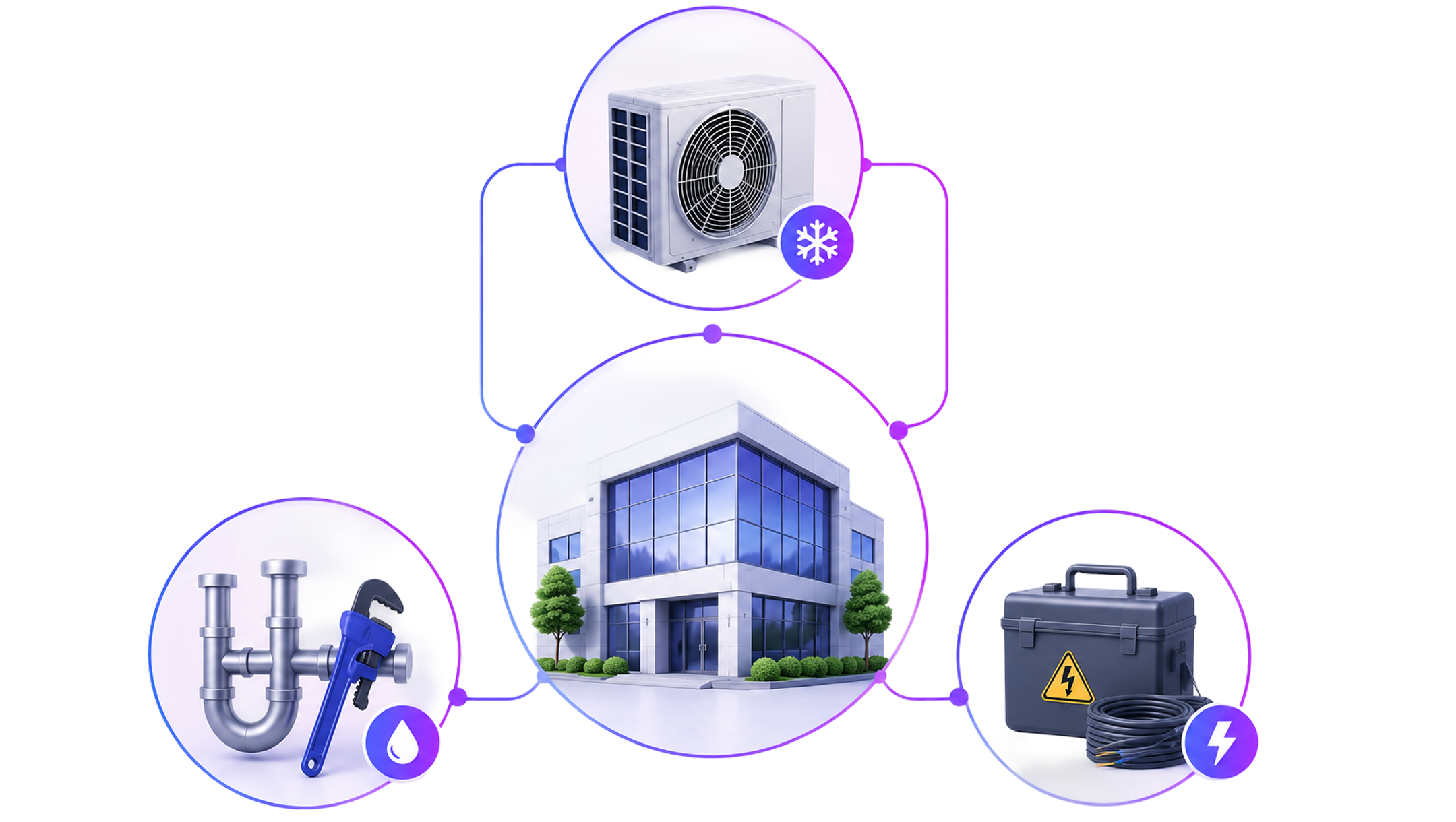
Business Type
HVAC, plumbing, and electrical services
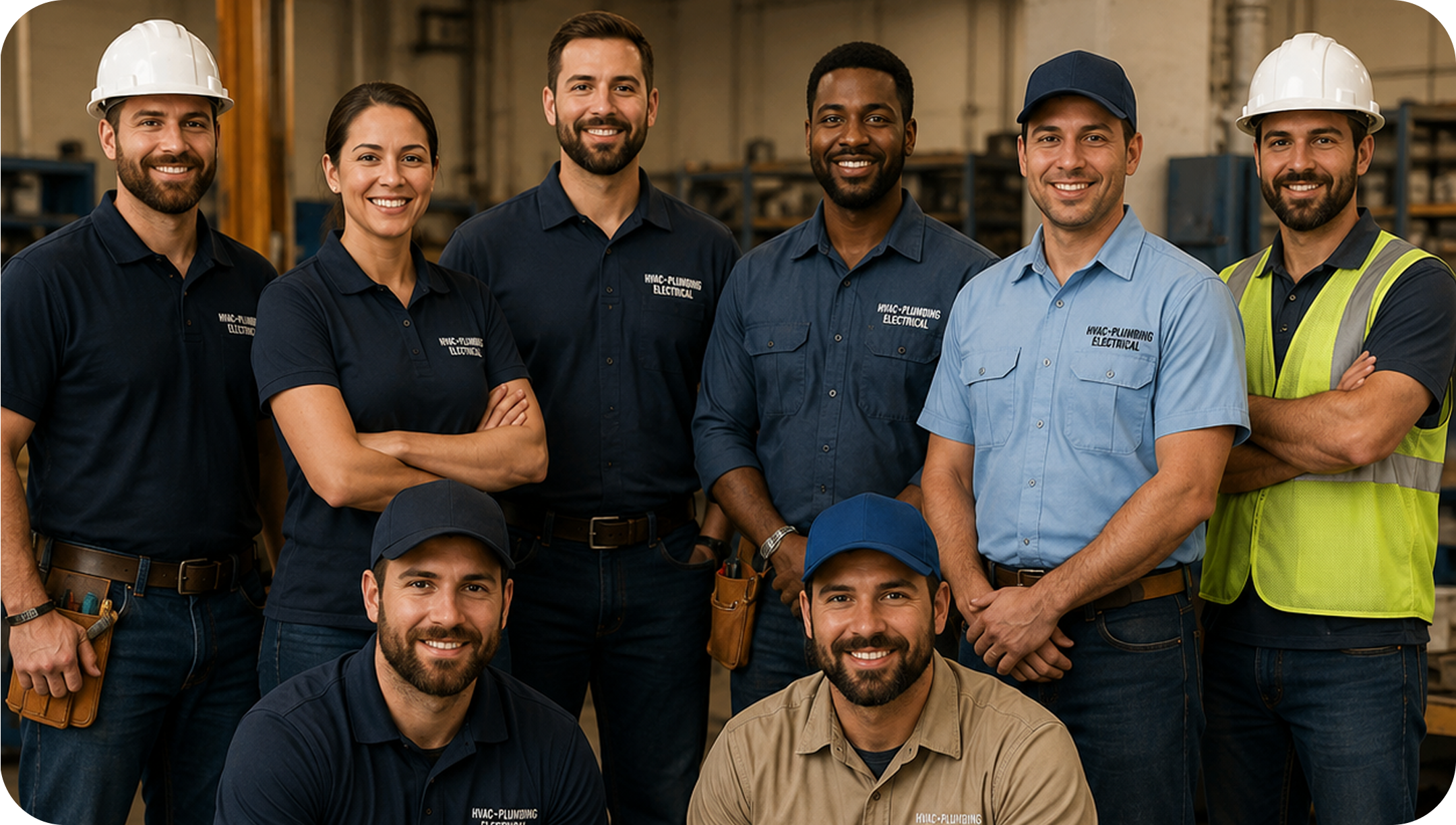
Team Size
8 staff members, including 12 field technicians, 4 office and dispatch staff, and 2 managers

Monthly Call Volume
Approximately 780 inbound service inquiries
The Challenge
The business was growing, but the phone operation was not keeping pace. Home service customers calling about emergencies or time-sensitive repairs expect an immediate response. When they reach voicemail, most do not wait.
- After-hours and weekend calls went to voicemail, including emergency HVAC failures, plumbing leaks, and electrical issues.
- Office staff missed inbound calls while coordinating dispatch, updating job boards, or handling vendor calls.
- Field technicians could not answer calls while working on active jobs.
- Customers who reached voicemail often called a competitor rather than waiting for a callback.
- Job details were captured inconsistently, causing dispatch delays and incomplete technician notes.
The problem was not only missed calls. It was missed jobs, slower emergency response, inconsistent dispatch information, and too much office time spent on manual phone work.
The Execution
Before vs. After AI Answering
See how the personal injury firm's call workflow changed across the operational areas that mattered most.
What the Practice Had to Say

Every Service Call Handled. Every Job Captured.
See how AI Answering works for your home services business. Start your 1-month free trial and test it with your own service calls. No credit card required. We configure the platform around your job intake forms, service types, dispatch rules, and escalation logic before you go live.